



When we have been through physical changes; an active life, ageing, pregnancy, back, hip, abdominal or pelvic health surgery, health conditions, and emotional challenges to name but a few, sometimes our nervous system doesn’t get the message that the “danger” has passed.
Add in sleep deprivation, hormone shifts, physical changes and adaptations, or the intensity of new motherhood — our system may stay locked in high alert…like we’re still bracing. Still scanning. Still surviving.
When our body thinks it’s still in “danger”, it doesn’t prioritise healing. Healing requires safety — not just physically, but physiologically and emotionally.
How a Dysregulated Nervous System Blocks Core Healing
When our nervous system is dysregulated, our body prioritises survival over repair and healing, and here’s what’s often happening:
Tissue repair slows: Healing is a parasympathetic process, which means that we need to be in a more relaxed state for this to happen. The connective tissues require low cortisol and good circulation to regenerate. When stress hormones (higher cortisol) stay elevated, the repair process is interrupted and the tissues don’t get the signal that it’s safe to repair.
Our core stops working as a coordinated system. Our diaphragm, deep abdominals, pelvic floor, and spine are designed to function reflexively as a unit — responding automatically to movement, breath, and load. But reflexes only happen when the nervous system feels safe. In a body that’s bracing or guarding, these reflexes break down, even if the muscles themselves are strong.
Our pelvic floor may be “holding on”: Many people are told that they are “weak,” when in reality the pelvic floor is holding tension. Stress, trauma, and pressure create gripping. If a muscle is always “holding on” it can’t respond in the way it’s meant to. Tension can often be mistaken as “weakness”.
Our breath stays shallow and restricted. When breathing becomes limited through behaviour patterns; shallow and high up in the chest, or locked in the belly — our system stays in alert mode. This affects everything: digestion, circulation, pelvic organ support, bowel and bladder function, and pain. Without full, coordinated breath, the pressure doesn’t disperse.
If any of these symptoms are troubling you, these are signs that your nervous system may be dysregulated:
Difficulty falling asleep or staying asleep, jaw clenching/grinding, shoulder tension, a constant sense of being “on edge” or anxious, digestive symptoms such as bloating, constipation, continence issues such as “leaking”, not being able to fully empty the bladder or bowel, reflux, prolapse, difficulty relaxing, feeling disconnected from your body, and movement feels awkward or hard to access.
These are not our fault, but instead, these are messages from our nervous system, that it’s been carrying more than it can sustain. When our body is living in a state of constant readiness, it can’t shift into the rhythms required for repair, integration, co-ordination and healing.
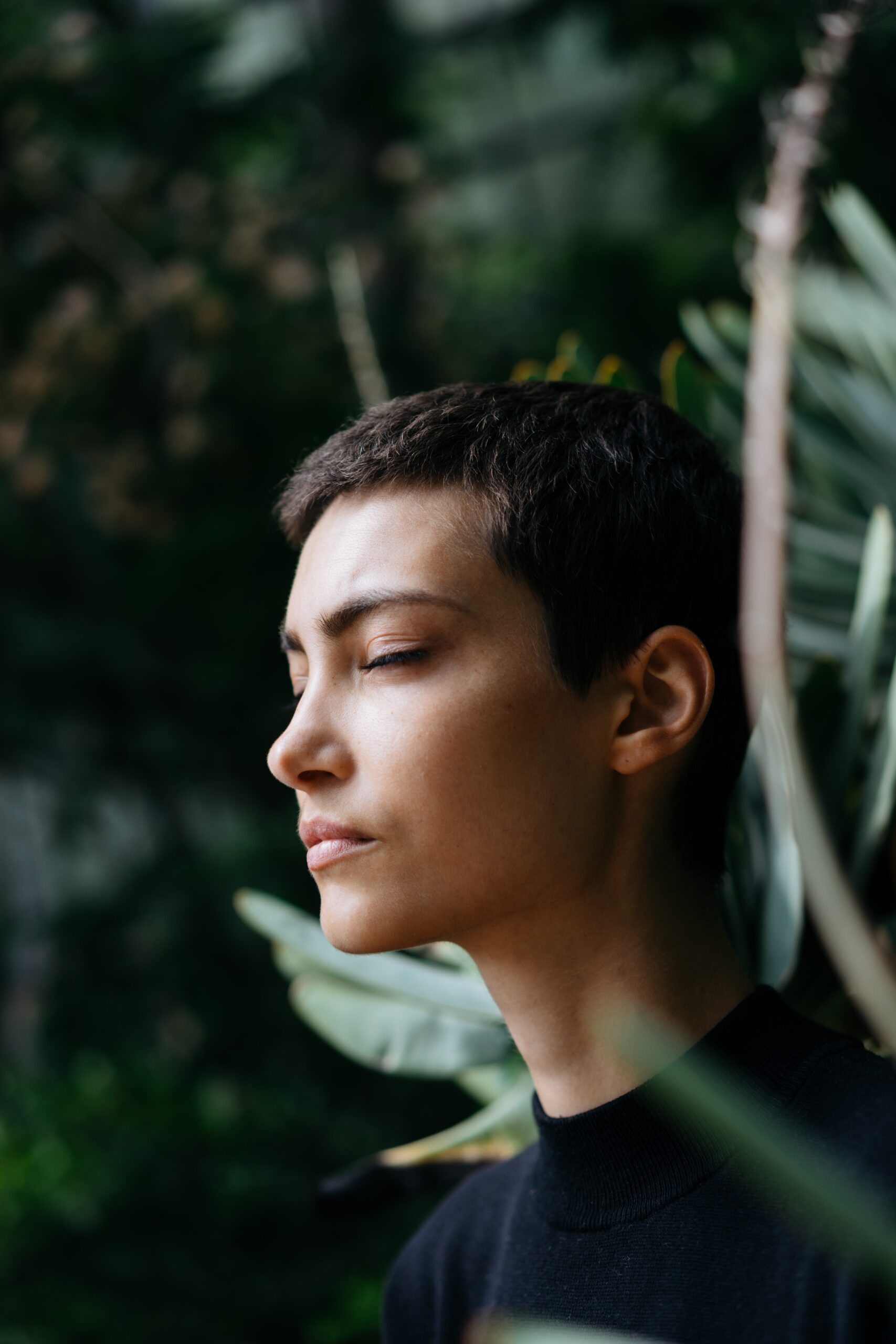
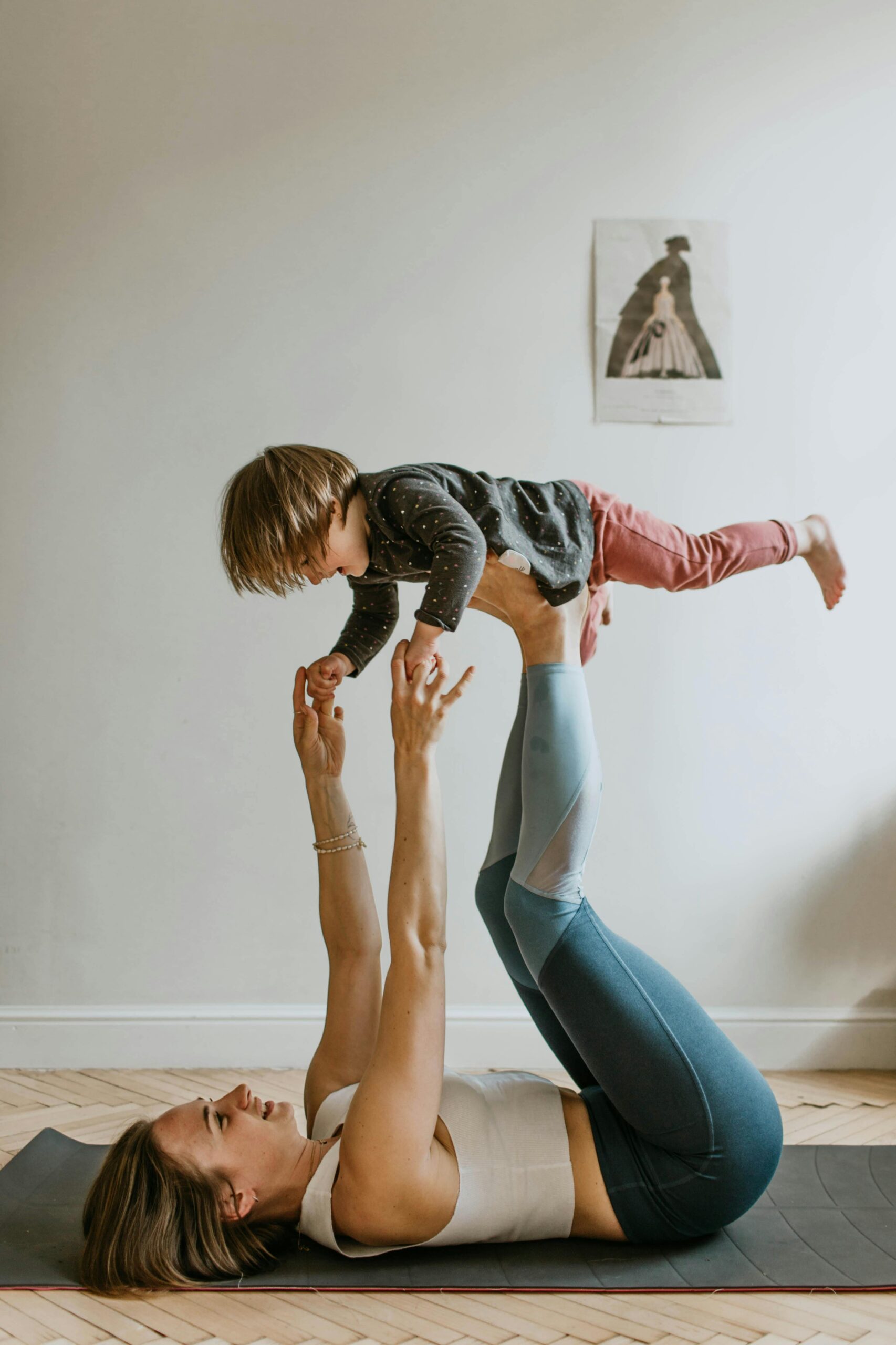
These signals should not be ignored. Instead, give the body the kind of support that it needs, to heal, to restore and to function well.
Once healing and restoration begin, safety returns to the system:
Our belly feels more supported — not because we’re “holding on” but because our deep core is engaging properly and reflexively, in harmony with our breath, and is becoming stronger.
Our breath flows with more freedom and ease — deep into the ribs and pelvis, restoring our diaphragm’s ability to create lift and decompression. The breath doesn’t just oxygenate the whole body, it signals safety, helps to re-pattern posture, and releases stress held in the tissues. Jaw and shoulder tension will ease.
Leaking becomes less frequent — or disappears, as our pelvic floor learns to respond without gripping or overcompensating. It becomes part of an integrated system again, no longer isolated or overworked. Bowel movements should become easier and constipation a thing of the past. It should be noted that good nutrition goes hand in hand here and must not be overlooked.
Posture improves — not by forcing alignment, but through creating balance and strength in the body, physically and physiologically. Your organs decompress and become more efficient through breathwork and alignment of the body.
You feel more grounded, centered, and steady — not just in your movements, but in yourself. Your nervous system is feeling safer and can help to restore.
Sleep may come easier as we come out of “fight or flight” through working on the breath.
Hypopressives help to heal.
My next course begins on the 4th February.
£330
(can be spread across 3 payments)
Please get in touch for full details.
07979 514580 WhatsApp