

Getting unfiltered sunlight in the early morning helps with our circadian rhythms and light influences everything from our body temperature to metabolism and sleep. Anything from a walk around the block, a dog walk, a jog or simply taking your morning drink outside. During the winter months you can also work with a light box that mimics sunlight. Please do your research if you decide to go this route.
Caffeine is a stimulant and is known to stay in the body for up to 10 hours and can easily disrupt sleep. It increases activity in your brain and nervous system and increases the circulation of chemicals such as cortisol and adrenaline in the body.
Caffeine can be helpful in small doses but too much caffeine can exacerbate anxiety, stress, panic attacks and disrupt sleep. Sleep is often more shallow or wakeful after caffeine, resulting in you feeling tired and reaching for the caffeine on waking! And there is a vicious cycle!
For some it may be best to cut out coffee and tea altogether. Or perhaps try your coffee or tea first thing in the morning and then switch to herbal alternatives for the rest of the day. I can recommend camomile tea.
Stay away from caffeinated drinks such as Cocoa Cola, Red Bull and the like. The mix of sugar and caffeine is impactful!
Exercise a minimum of 2.5 hours in your week; a brisk walk, jog, cycle or run. Exercise will help you to fall asleep quicker, sleep longer and more restfully. And we can help you with this!
As day becomes evening and night, dim your lights at home. This helps to regulate the circadian rhythm and creates the right environment for rest, relaxation and sleep. Blackout curtains and blinds are perfect to create darkness. A cool bedroom works too.
Keep your mealtimes consistent – the body loves a routine and consistency. Eating late or skipping food can disrupt your sleep. Avoid eating a heavy meal. Try to eat 2-3 hours before bedtime enabling your body to digest before bedtime.
Generally avoid alcohol or sugary foods such as desserts, chocolate and fruit before bedtime. I am no saint but on a regular basis, these stimulants will take their toll, not only on your sleep but on your health.
Screentime including tv, electronic devices and phones. The latter two emit a blue light which disrupts our circadian rhythm and prevents natural production of melatonin – the chemical that tells your brain that its time to sleep. If you are in need of sleep and struggling then aim to watch something super relaxing on tv or read a book instead.
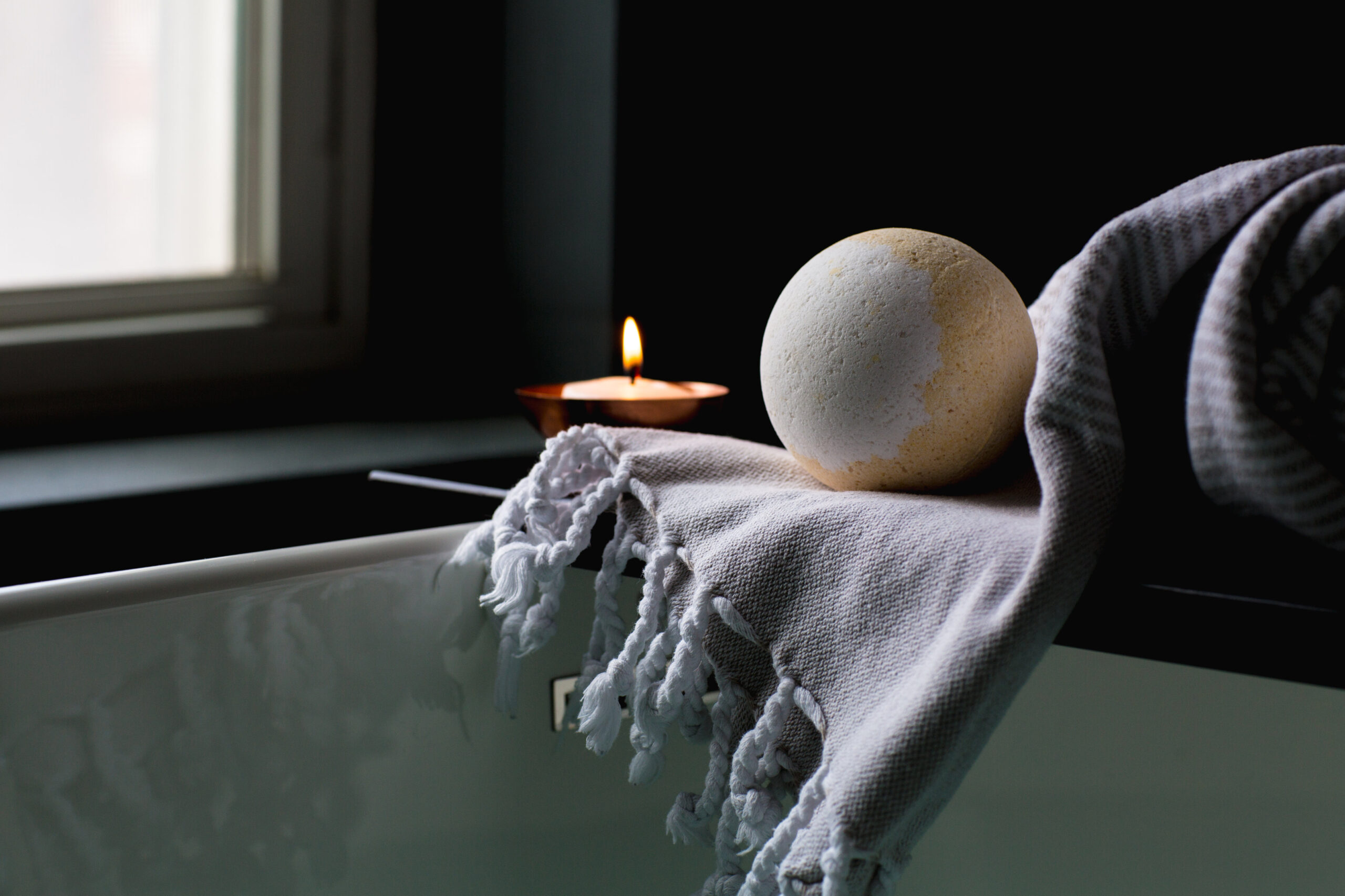
At the risk of repeating myself, the body likes a routine. Develop a bedtime routine that works for you. Aim to get to bed around 10pm when waking around 6-7am. Your bedtime routine may include a bath, a book, some slow long stretches. Remember we are aiming to relax the mind and body and not over-stimulate.
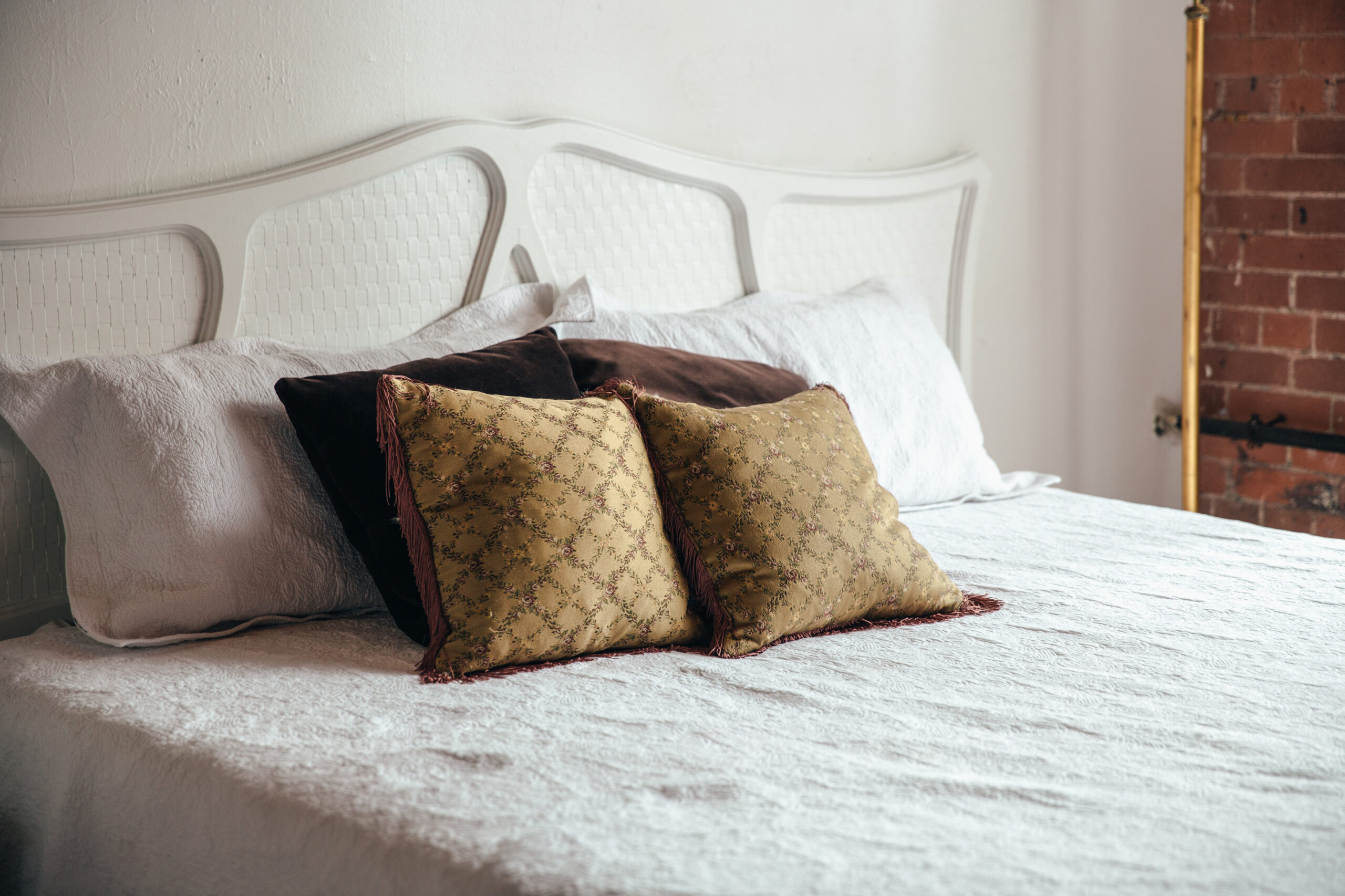
Your bedroom should be your sanctuary. Cosy and cool. A little fresh air whilst you sleep. Dim lighting, Comfortable bed, mattress, pillow and bedding. We spend around 8 hours a day in bed so lets make it special so that we wake up feeling rested.