



When it comes to pelvic floor health, two forms of exercises often dominate the conversation: Hypopressive exercises and Kegels. Both have their place, but it’s essential to understand how each method impacts the pelvic floor and overall wellbeing.
Hopefully this note provides an evaluation of both, underscoring why consistency in performing Hypopressives could be more beneficial than Kegels, especially as the pelvic floor muscles are targeted as part of a system and not in isolation.
Understanding Pelvic Floor Exercises
Before diving into the specifics, it’s important to understand what pelvic floor exercises are and why they’re important.
The Pelvic Floor acts as a support to the pelvic organs and forms part of the core, working with the diaphragm and abdominal muscles as a system. Its role is to give stability and support to the pelvis as a whole plus the organs within the abdominal area. The pelvic floor also surrounds the urethra and anus and is responsible for sphincter function.
Kegels: The Traditional Approach
Kegels have been the traditional exercises for pelvic floor strengthening. They involve a conscious contraction of the pelvic floor muscles. While Kegels can be effective for some, they may not be the “go to” for pelvic floor health as was once thought.
The Rise of Hypopressives Exercises
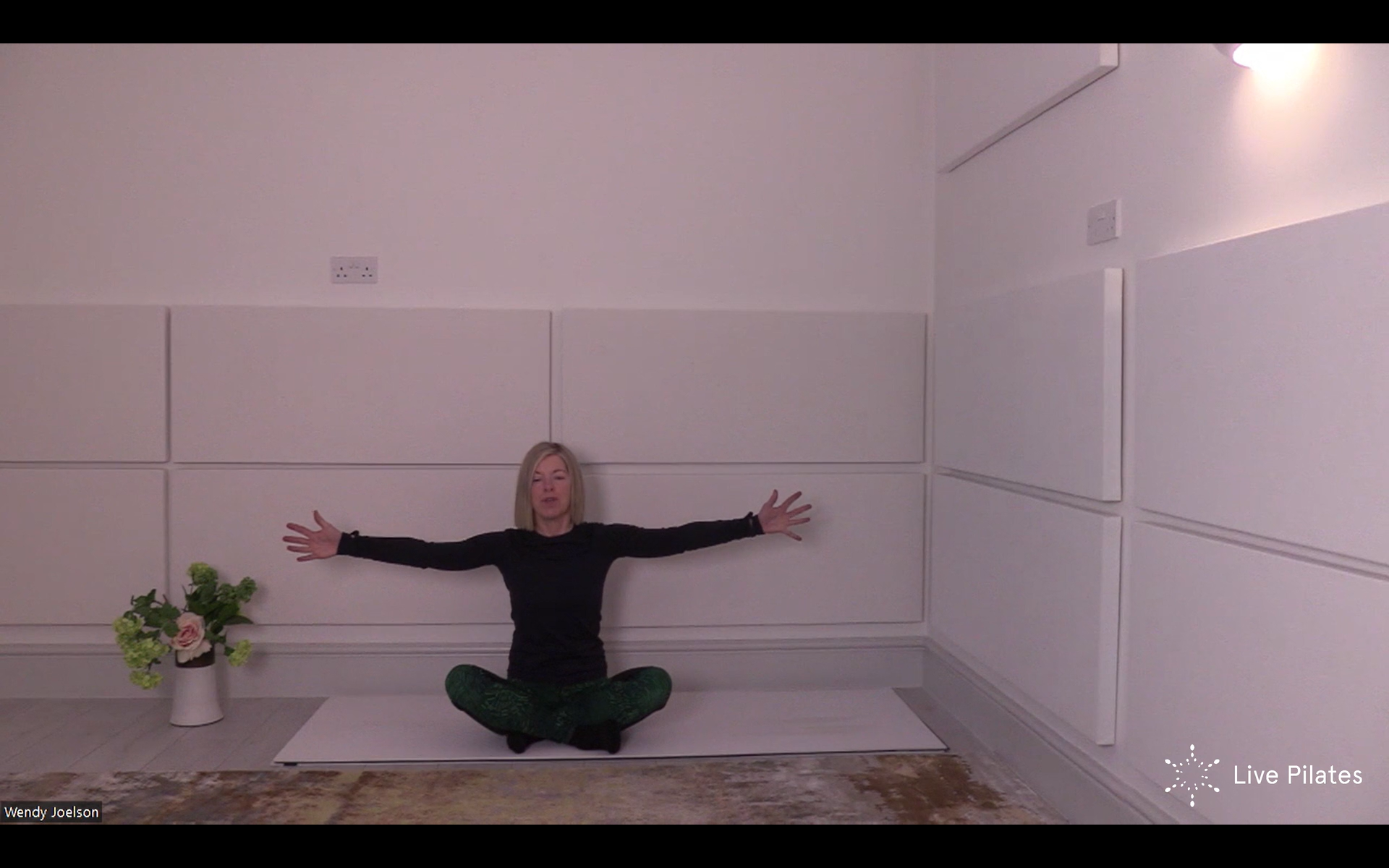
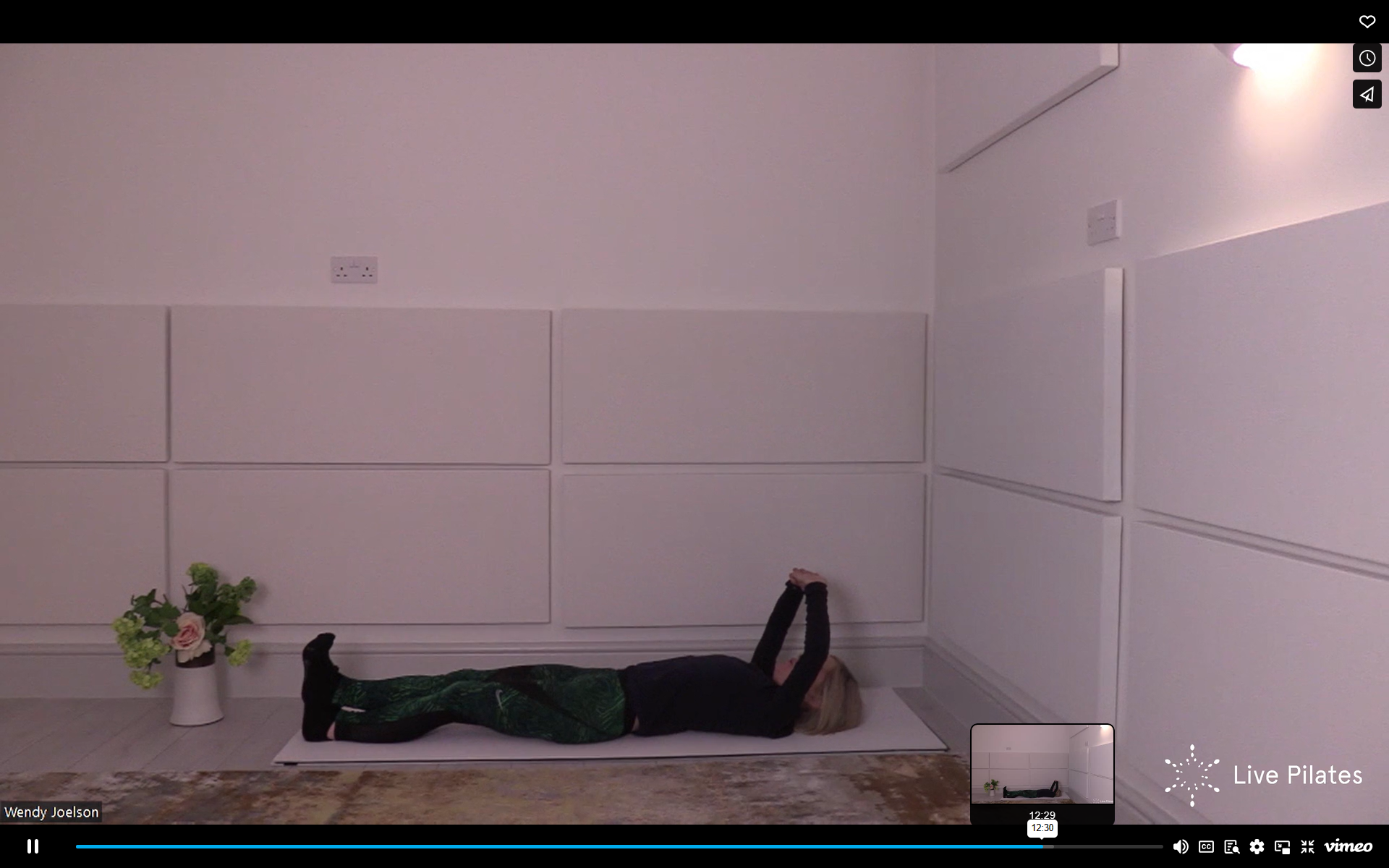
Enter Hypopressives exercises, a holistic approach that involves postures combined with Hypopressives breathing, which reduce abdominal pressure, thus strengthening the pelvic floor and its resting tone, and improving all number of symptoms associated with a dysfunctional pelvic floor. This technique is gaining traction as it provides a comprehensive workout for the pelvic area but also the body as a whole.
Effectiveness
Hypopressives Exercises: A Broader Impact
Hypopressives exercises work a significantly higher proportion of the pelvic floor and supporting muscles than Kegels. This is because Hypopressives exercises engage the diaphragm through breath work, correct postural habits and create strength for the global core system through the combination of the movements and hypopressives breathing.
Kegels: Isolated Muscle Engagement
Conversely, Kegels target a specific set of muscles. While this may be beneficial for some localised strengthening, it may not offer the same comprehensive benefits as the Hypopressives exercises which addresses the whole system.
Consistency Over Frequency
When it comes to Hypopressives exercises, consistency is key and its super important that you incorporate it into your daily routine – just 10 minutes. This is where accountability plays a vital role and the guidance of a qualified health professional is key to reaping the benefits of this magical technique.
Hypopressives Level 1 Courses are running throughout the year. After our June course, we will be issuing Autumn dates soon.
Please contact me via the contact page or at wjoelson@icloud.com